Public spaces do not maintain themselves, and they rarely improve on their own. The parks that feel welcoming, the trails that stay clear, the waterfronts that remain genuinely public, almost always have someone behind them. Not just municipal staff, though they matter, but organized groups of residents who show up consistently: at council meetings, at volunteer cleanups, at budget hearings, and at the quiet moments in between when decisions are being made about whether to fund maintenance or defer it for another year.
Community groups are not a substitute for adequate municipal funding. A friends-of-the-park group should not have to fundraise for basic maintenance that the municipality is responsible for providing. But in practice, the communities with the best public spaces are almost always the ones where organized residents are paying attention, asking questions, and holding decision-makers accountable. The groups do not replace government. They make government work better.
What Community Groups Actually Do
The range of activities is broader than most people assume. Some groups focus on a single park or trail. Others work across an entire municipality or region. The most effective ones tend to combine hands-on stewardship with civic advocacy, which is the combination that produces lasting results.
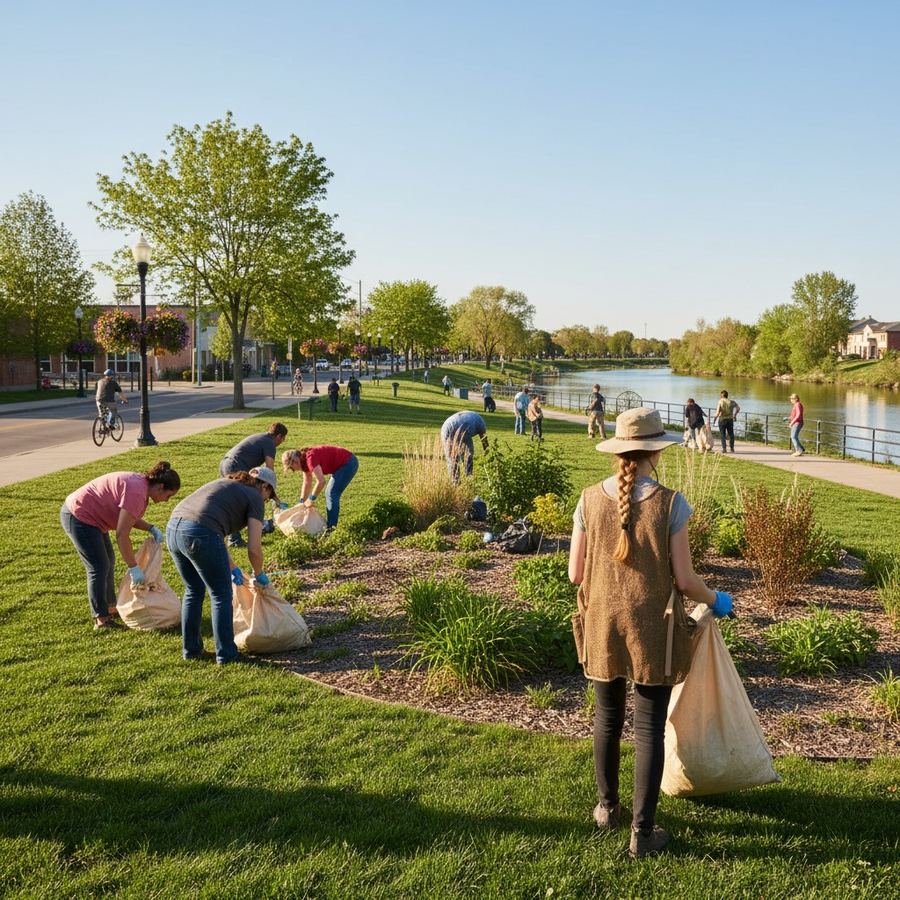
Stewardship and maintenance. Trail cleanups, invasive species removal, tree planting, and litter collection. This work fills gaps that municipal budgets cannot cover and creates a visible community presence that discourages neglect.
Monitoring and reporting. Community groups are often the first to notice problems: a damaged bridge, a diseased tree, a drainage issue. Regular users see things that municipal inspectors on a quarterly schedule miss.
Advocacy and representation. When a municipality is deciding whether to fund a trail extension or cut the parks budget, community groups provide a voice for the public interest. An organized group with a track record of constructive engagement is much harder to ignore than an individual resident.
Programming and activation. Nature walks, outdoor concerts, winter festivals, and educational programs bring people into public spaces. These events demonstrate demand. A park that hosts a well-attended community event makes a stronger case for continued investment.
The Civic Mechanism
Parks and trails compete for funding with roads, water systems, and emergency services. Public space improvements are easy to defer because the consequences are slow: a trail deteriorates gradually, and by the time neglect is obvious, repair costs have multiplied.
Community groups interrupt this cycle. They attend budget meetings, submit maintenance requests, and track whether those requests are fulfilled. They build relationships with municipal staff that create informal accountability and provide political cover for council members who want to invest in public space.
The most effective groups develop a reputation for constructive, fact-based engagement. Groups seen as purely oppositional will be sidelined. Investing in relationships matters, even when progress is frustrating.
Health, Environment, and Organizational Allies
Public space advocacy does not happen in isolation. The strongest community groups build alliances with organizations working on related issues: public health, environmental conservation, active transportation, and community development.
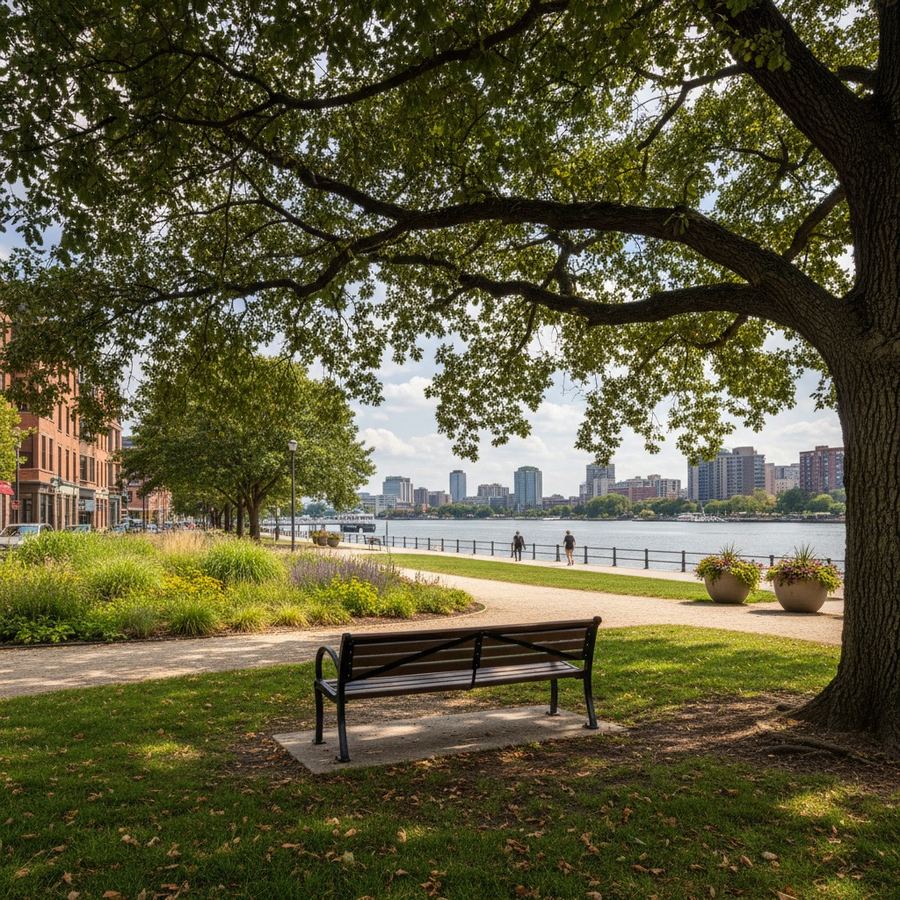
The connection between green space and public health is well-established. Access to parks and trails reduces rates of obesity, cardiovascular disease, and depression. Heat-mitigating green infrastructure protects vulnerable populations during extreme heat events. Organizations focused on community health and environmental stewardship, such as those represented by ecohealthontario.ca, bring research, credibility, and broader networks to public space advocacy. When a friends-of-the-park group can cite health data from a recognized organization, their case for investment becomes much harder to dismiss.
Environmental organizations contribute expertise in habitat restoration, native planting, stormwater management, and ecological monitoring. Active transportation advocates push for trail connectivity and safe pedestrian access. Community development organizations connect public space improvements to broader goals around equity, inclusion, and neighborhood livability. Building these alliances takes time, but the resulting coalition is far more powerful than any single group working alone.
Common Pitfalls
Not every community group is effective, and some well-intentioned efforts produce poor results. A few recurring problems are worth naming.
Volunteer burnout. Groups that rely on a small core of dedicated volunteers without building broader membership eventually exhaust their leadership. The most sustainable groups distribute work across many members and rotate leadership roles regularly.
Substituting for government responsibility. There is a fine line between supplementing municipal services and replacing them. A group that takes on so much maintenance work that the municipality reduces its own investment has made the problem worse, not better. Effective groups are explicit about the boundary: we do this because we choose to, and the municipality is still responsible for its obligations.
Exclusionary dynamics. A community group that represents only one demographic, whether by design or by default, will advocate for spaces that serve that demographic. Parks in wealthier neighborhoods tend to have more active friends groups, which means they receive more attention and investment, which deepens existing inequities. Inclusive membership and deliberate outreach to underrepresented residents are essential for groups that claim to speak for the public interest.
Focusing on aesthetics over function. A group that advocates exclusively for flower gardens, decorative plantings, and visual improvements may overlook more fundamental needs: accessibility, connectivity, maintenance, and equitable access. The most impactful advocacy addresses the systems that determine whether a space works, not just whether it looks nice.
Getting Started
For residents interested in organizing around a local park, trail, or public space, the initial steps are straightforward.
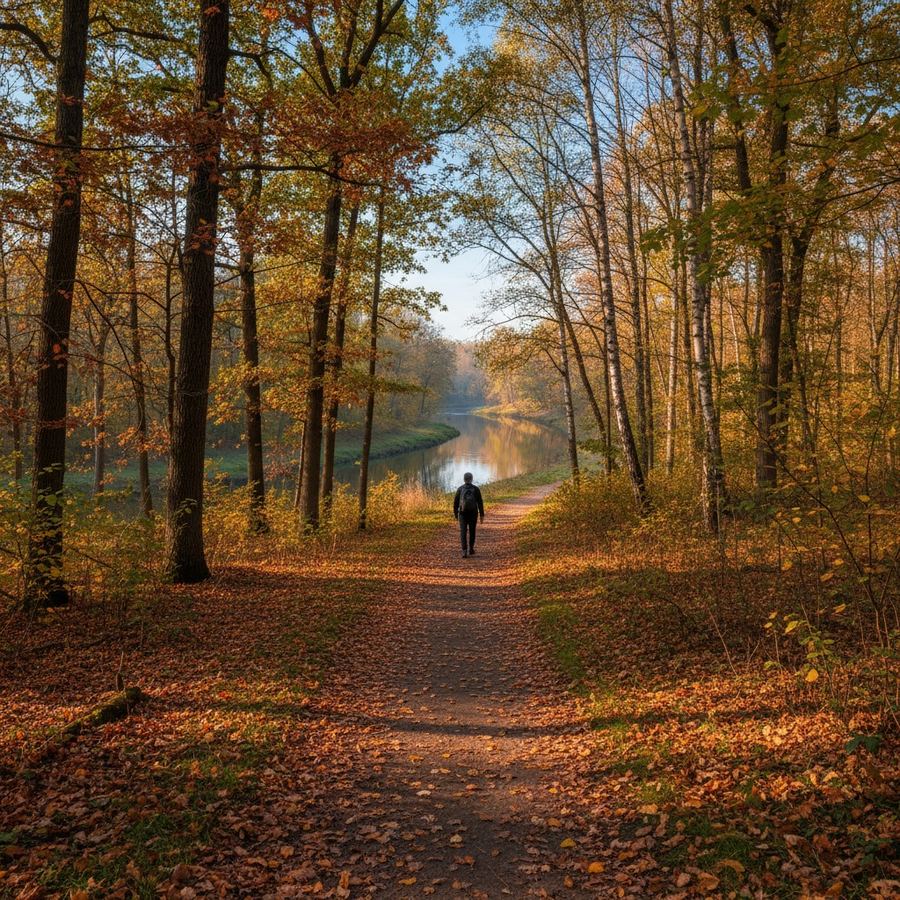
Walk the space regularly. Before organizing anything, spend time in the place you care about. Use it at different times of day and in different seasons. Note what works and what does not. Talk to other users. Your observations are the foundation of credible advocacy.
Learn the municipal structure. Find out which department manages the space, what the current maintenance schedule is, whether there is a master plan or capital budget allocation, and who the relevant council member is. This information is usually available through the municipality's website or a phone call to the parks department.
Start small. A single cleanup event, a letter to council about a specific issue, or an informal meeting with neighbors who share your concerns is enough to begin. Groups that try to launch with a grand plan and a formal organizational structure often stall before accomplishing anything. Start with a concrete, achievable action and build from there.
Document everything. Take photos. Keep notes on conditions, conversations, and commitments. When you report a problem to the municipality, follow up in writing. Documentation is what transforms anecdotal complaints into a credible record that supports your case over time.
Connect with existing networks. Other groups in your community or region have likely navigated the same challenges. Conservation authorities, provincial trail organizations, and regional environmental networks can provide guidance, templates, and solidarity. You do not need to start from scratch.
The Long View
The public spaces that define a community are almost never the result of a single decision. They are the product of sustained attention over years and decades. Community groups provide that attention because they are rooted in the people who use the spaces daily.
This work is not glamorous, but it is among the most effective forms of civic participation available. A community group that stays engaged and stays constructive will, over time, shape the quality of local public space more than almost any other factor.
For related resources, the trail evaluation checklist provides a framework for assessing the spaces you are working to improve. The guide on reading waterfront improvement plans is useful for groups engaging with municipal planning processes. And the glossary of urban nature terms ensures you can follow the technical language that often dominates planning discussions.