Urban nature is not a contradiction in terms. Cities and towns are full of ecological systems, from street trees and stormwater channels to remnant forests and pollinator habitat along rail corridors. The question is not whether nature exists in urban areas. It does. The question is whether we pay attention to it, plan for it, and let it do its work.
This section covers what urban nature means in practice, not in the abstract. We look at tree canopy and what it actually delivers in terms of heat reduction, air quality, and stormwater management. We examine green infrastructure beyond the renderings and ribbon cuttings. We write about biodiversity in places where most people assume it does not exist, and about the small natural areas that rarely make it into master plans but serve an outsized civic role.
A few reference points ground this work. Portland's urban tree canopy program has been tracking measurable outcomes for decades. The IUCN has published frameworks for urban biodiversity that apply to cities of every size, not just global capitals. The 30x30 conservation initiative has pushed the conversation about habitat protection into urban and suburban landscapes where much of the population actually lives.
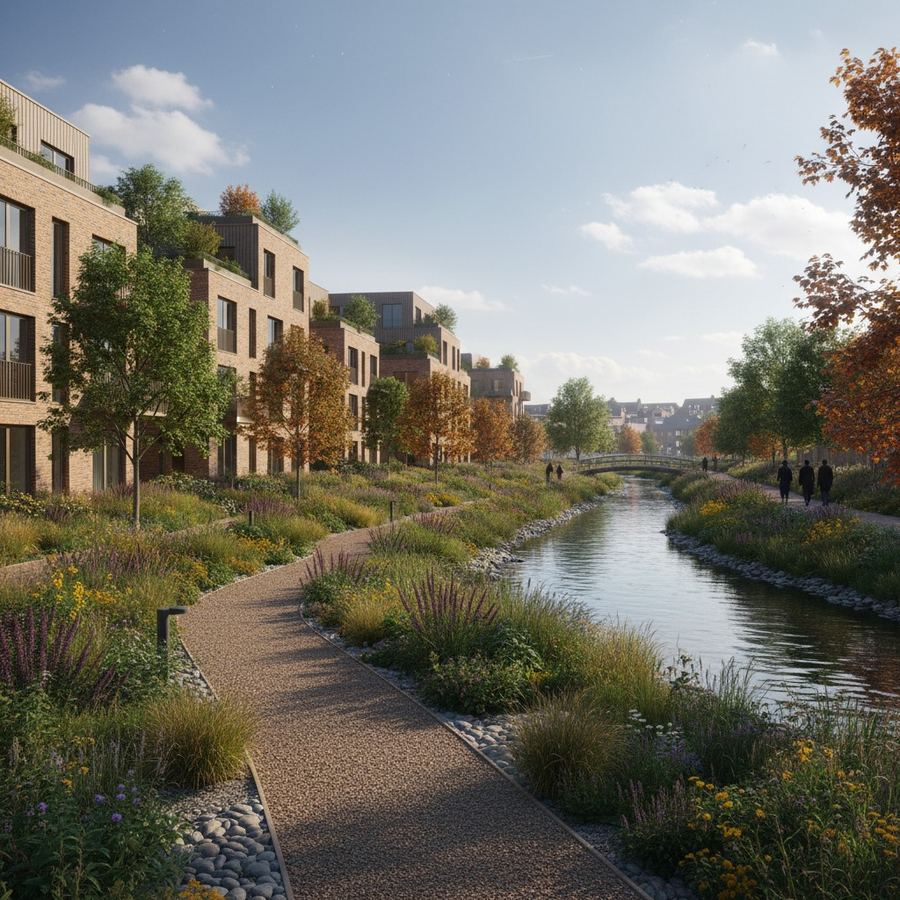
We also pay attention to the things that often get overlooked. Light pollution is an urban nature issue, even though most people do not think of it that way. Small natural areas, the quarter-acre woodlots and creek buffers that rarely show up in master plans, serve ecological and civic functions that are easy to miss until they are gone. And biodiversity is not just a concern for big cities with dedicated conservation staff. Towns of 15,000 people have native species, migration corridors, and habitat fragmentation pressures that deserve thoughtful attention.
The articles below dig into these topics individually. Some are explanatory. Some make an argument. All of them try to be specific enough to be useful.
Articles
What Urban Nature Actually Means
More than parks and gardens. Urban nature includes street trees, stormwater systems, pollinator habitat, and forgotten waterways.
Green Infrastructure in Plain English
Bioswales, rain gardens, permeable pavement, and other tools explained without jargon or hype.
Urban Biodiversity Is Not Just a Big-City Issue
Smaller cities and towns have biodiversity challenges and opportunities that deserve more attention than they get.
How Green Corridors Support People and Wildlife
Connected habitat is not just an ecological concept. It shapes how people use green space, too.
Light Pollution and Urban Life Quality
Excessive artificial light affects sleep, wildlife, energy use, and the ability to see the night sky. It is also fixable.
The Hidden Civic Value of Small Urban Natural Areas
The quarter-acre woodlots and forgotten creek buffers that rarely appear in plans but quietly serve their neighborhoods.